
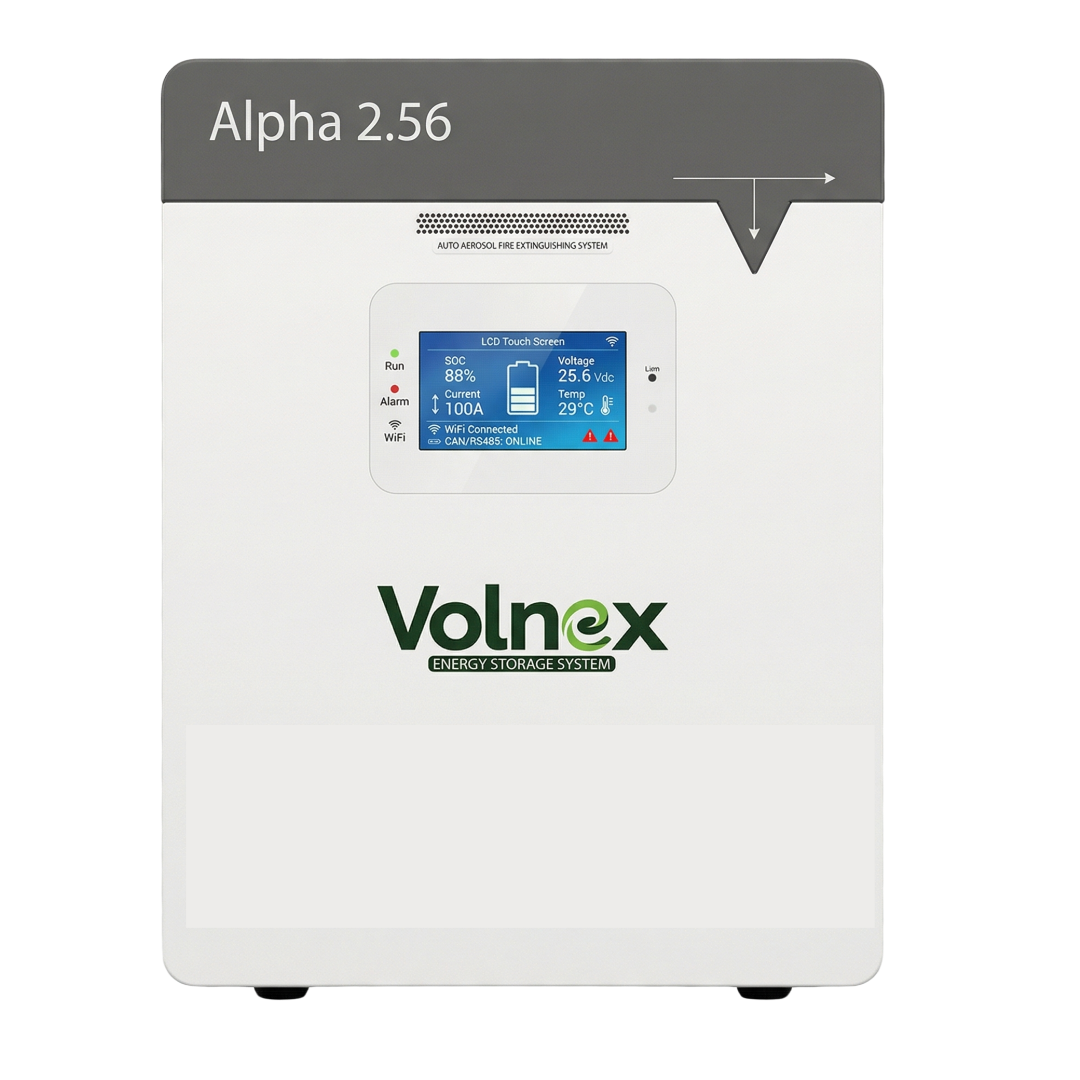
For decades, we have relied entirely on the power grid. When the grid goes down, the lights go out. However, the rise of solar panels and lithium battery storage is changing the game. Energy independence is no longer a futuristic dream; it is a practical reality for homeowners today.
In simple terms, energy independence means you produce and manage your own electricity rather than buying it all from a utility company. By pairing solar panels with a lithium battery, you can capture the sun’s energy during the day and save it for whenever you need it most.
Not all batteries are created equal. Lithium-ion technology has become the industry standard for several reasons:
The process is straightforward. During a sunny afternoon, your solar panels often produce more electricity than your home actually uses. Instead of sending that extra power back to the grid for a small credit, your lithium battery “soaks it up.”
When the sun sets or a storm rolls in, your home automatically switches to using the stored power in your battery. This ensures your appliances keep running without drawing expensive power from the utility provider.
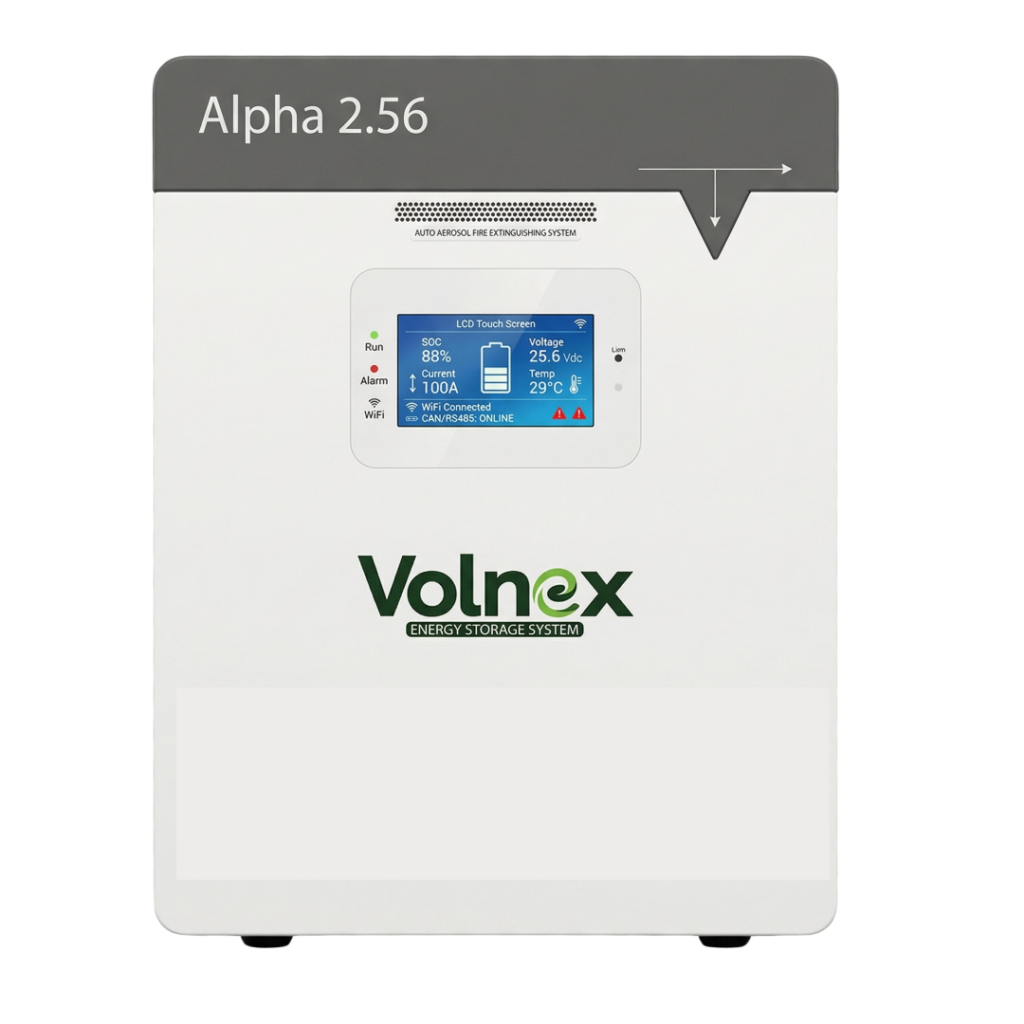
For decades, we have relied entirely on the power grid. When the grid goes down, the lights go out. However, the rise of solar panels and lithium battery storage is changing the game. Energy independence is no longer a futuristic dream; it is a practical reality for homeowners today.
In simple terms, energy independence means you produce and manage your own electricity rather than buying it all from a utility company. By pairing solar panels with a lithium battery, you can capture the sun’s energy during the day and save it for whenever you need it most.
Not all batteries are created equal. Lithium-ion technology has become the industry standard for several reasons:
The process is straightforward. During a sunny afternoon, your solar panels often produce more electricity than your home actually uses. Instead of sending that extra power back to the grid for a small credit, your lithium battery “soaks it up.”
When the sun sets or a storm rolls in, your home automatically switches to using the stored power in your battery. This ensures your appliances keep running without drawing expensive power from the utility provider.
Transitioning to a lithium battery system is an investment, but it is one that pays off through security and savings. If you live in an area with frequent power outages or high electricity rates, the “break-even” point happens much faster.
Taking control of your power isn’t just about saving money—it’s about the peace of mind that comes from knowing you are in charge of your own home’s energy future.